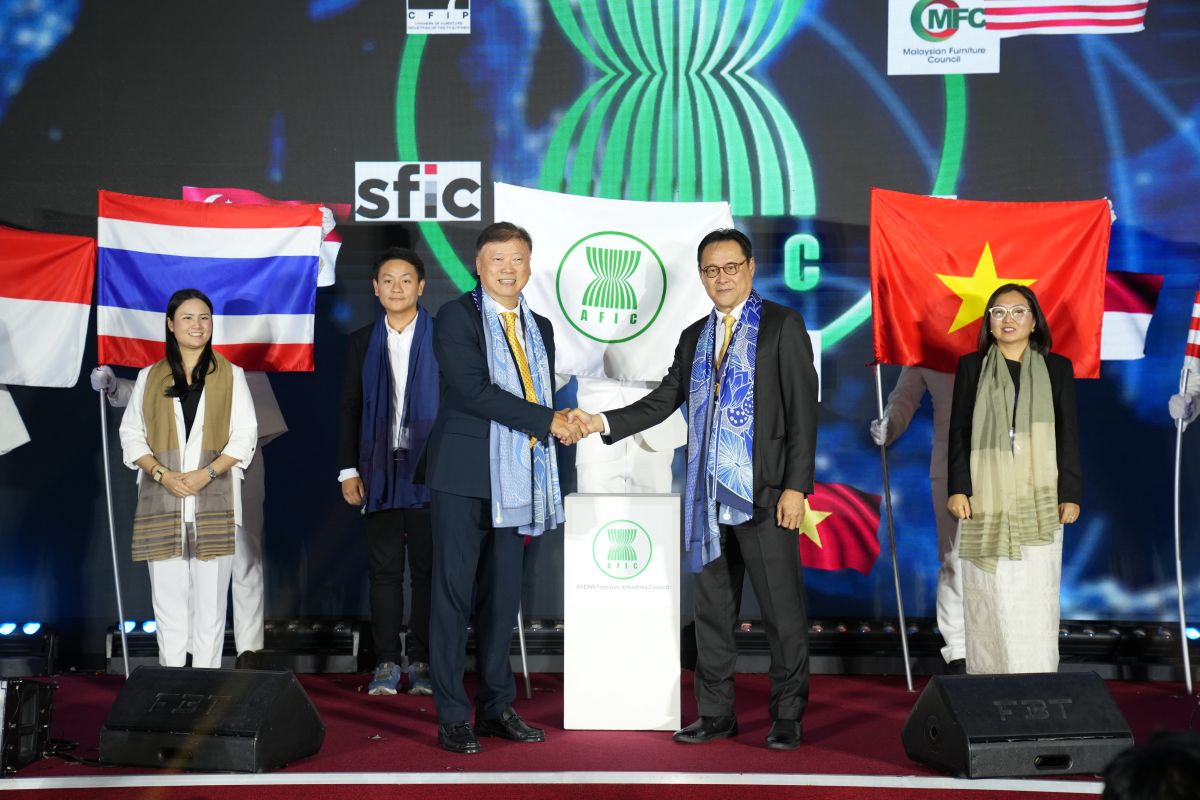
Within the framework of HawaExpo 2026, currently taking place in Ho Chi Minh City, a significant milestone for the regional furniture industry was marked with the official leadership handover ceremony of the ASEAN Furniture Industries Council (AFIC). The ceremony symbolizes a new chapter of cooperation and regional coordination for the furniture sector across Southeast Asia.
At the event, Mr. Nguyen Quoc Khanh, former Chairman of the Handicraft and Wood Industry Association of Ho Chi Minh City (HAWA), was officially appointed as the new Chairman of ASEAN Furniture Industries Council (AFIC). The appointment also marks Vietnam’s representative association, HAWA, assuming the role of AFIC’s coordinating body for the 2026–2028 term.
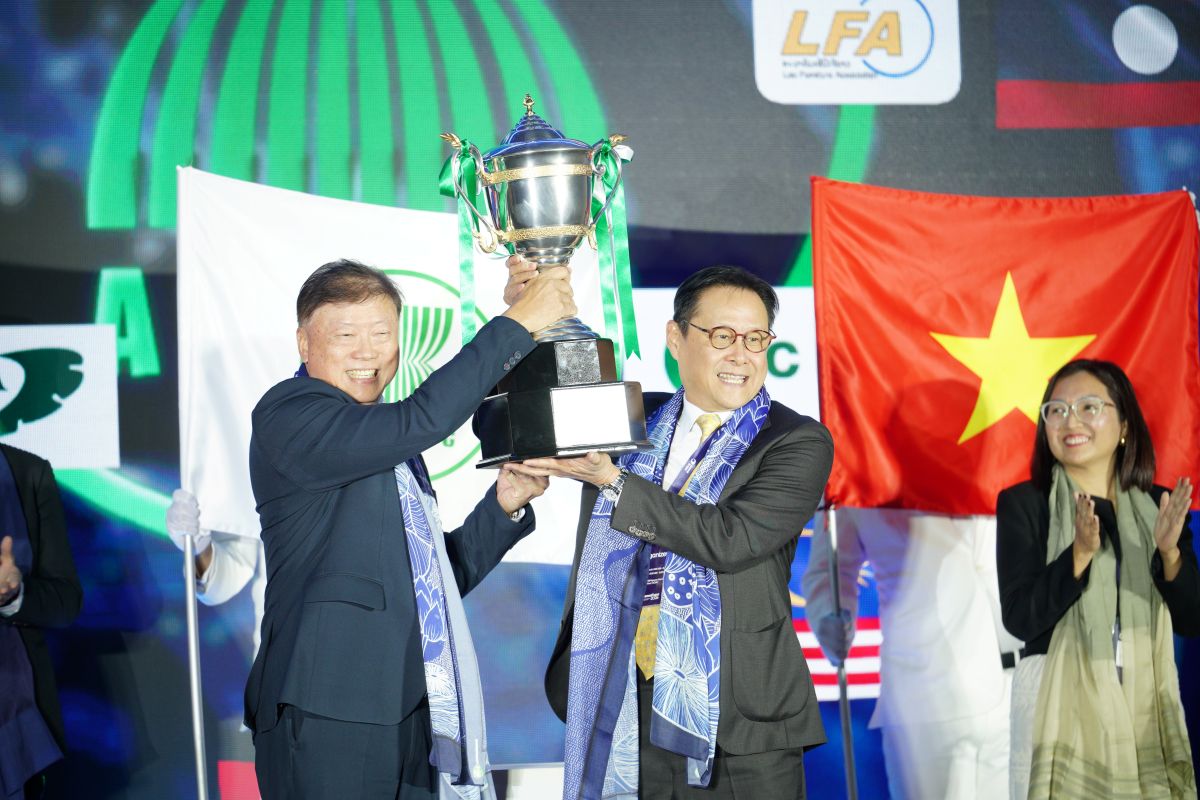
The leadership transition takes place at a time when Vietnam’s wood and furniture industry has firmly established itself as a global manufacturing powerhouse. Over the past several years, Vietnam has maintained its position as the largest furniture exporter in Southeast Asia, the second in Asia, and the fifth in the world in terms of export value.
Despite geopolitical fluctuations and slowing consumer demand in several major markets, the industry achieved a new milestone in 2025. Vietnam’s total wood and furniture exports surpassed USD 17 billion, setting a new record and reinforcing the country’s strong production capacity and global competitiveness.
According to industry experts, Vietnam’s strengths—including a mature manufacturing ecosystem, extensive international trade experience, and a broad network of enterprises—create a solid foundation for HAWA to successfully fulfill its coordinating role within AFIC in the coming years.
During the ceremony, Mr. Khanh shared his vision for the upcoming term, emphasizing the importance of strengthening ASEAN’s position in the global furniture supply chain. One of the key priorities will be gradually transforming Southeast Asia into an internationally competitive hub for furniture manufacturing and supply chain integration.
“We aim not only to increase export value but also to strengthen the integration of the entire value chain—from raw materials to international trade,” Mr. Khanh stated. “Sustainable development will remain a central pillar in all of AFIC’s initiatives.”
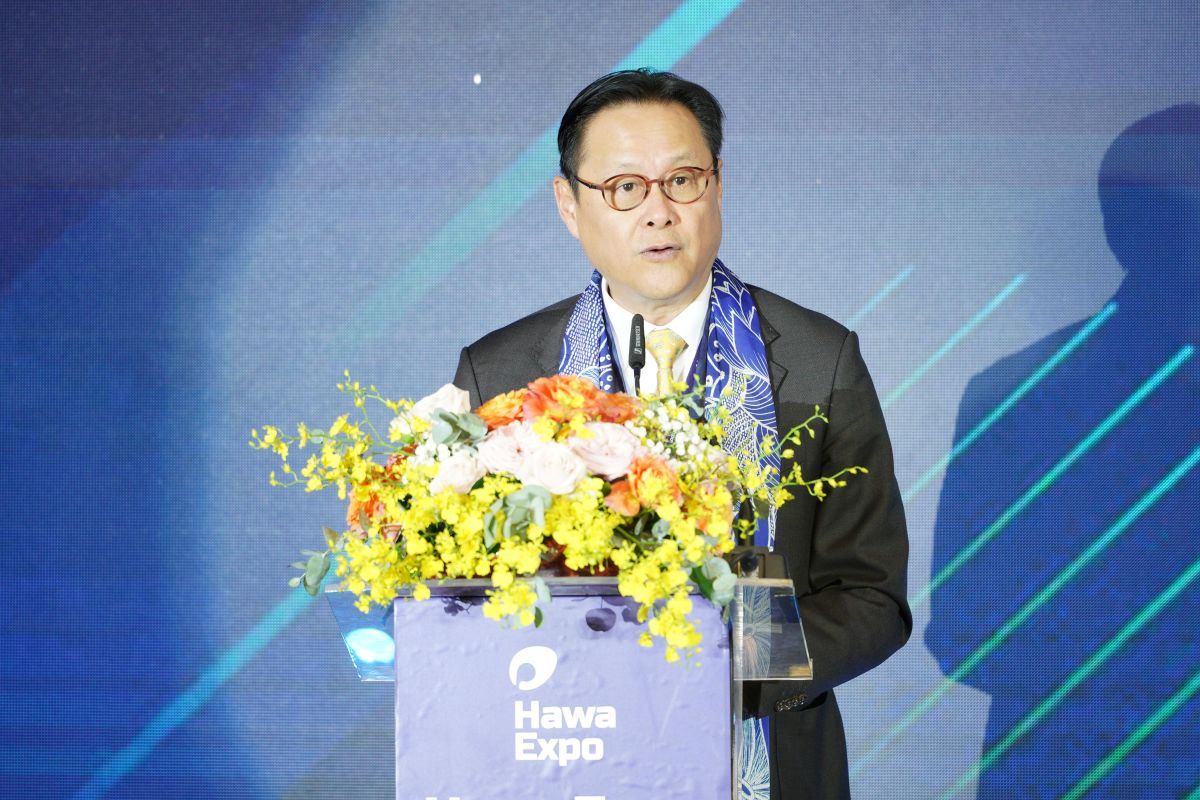
Under his leadership, AFIC plans to enhance cooperation among member associations while expanding partnerships with key stakeholders such as material suppliers, logistics providers, financial institutions, and certification organizations. These efforts aim to create a more connected ecosystem that enables businesses across the region to access supply networks, market information, and partnership opportunities more effectively.
One of the initiatives expected to be introduced during the new term is the “Green AFIC” program, which will focus on harmonizing sustainability standards across ASEAN countries. The initiative aims to promote mutual recognition of sustainability certifications and develop transparent mechanisms for sharing industry data among member associations.
By aligning environmental standards and strengthening collaboration in sustainable manufacturing, AFIC hopes to help ASEAN furniture companies adapt more quickly to global sustainability requirements—an increasingly important factor in international trade.
The ceremony also acknowledged the contributions of the outgoing AFIC Chairman, Mr. Dhanakorn Kasetrsuwan of Thailand, who simultaneously served as Chairman of the Thai Furniture Industries Club. During the 2024–2025 term, AFIC implemented several strategic initiatives built around five key pillars: digital transformation, design and collaboration, sustainable development under the BCG (Bio-Circular-Green) economic model, leadership succession, and stronger global engagement.
Mr. Dhanakorn highlighted that the global furniture industry is currently experiencing notable shifts in production and supply chains. As orders gradually move away from China, several ASEAN countries are recording positive export growth in key markets such as the United States and Europe.
However, he emphasized that this opportunity will only translate into long-term growth if ASEAN countries continue to strengthen cooperation rather than compete independently.
“ASEAN has the potential to become a powerful global furniture hub,” Mr. Dhanakorn noted. “But this vision can only be realized if the region maintains strong internal collaboration and builds an integrated supply chain.”
He also expressed strong confidence in Vietnam’s leadership during the upcoming AFIC term, believing that the country’s experience in industry development and international trade promotion will play an important role in advancing regional cooperation.
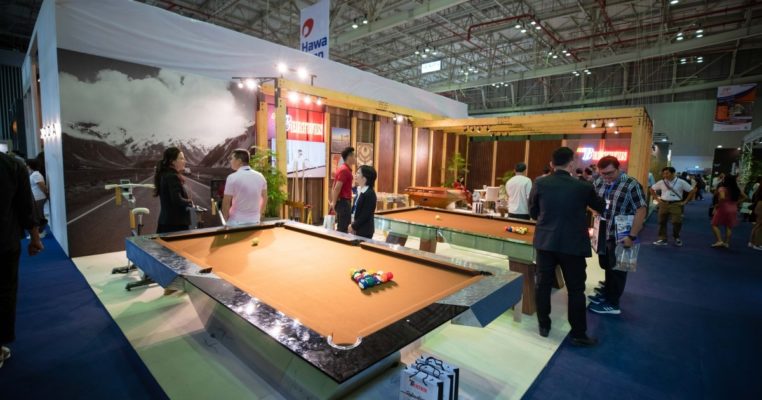
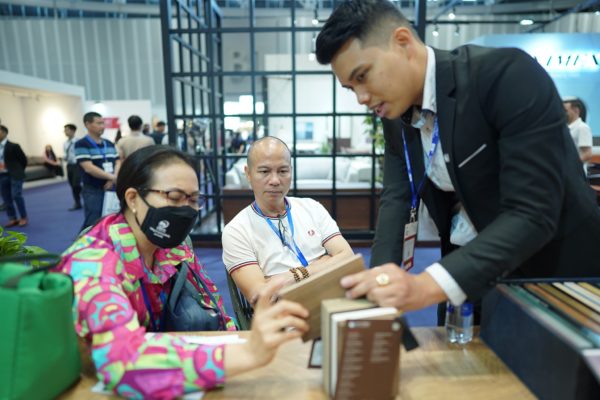
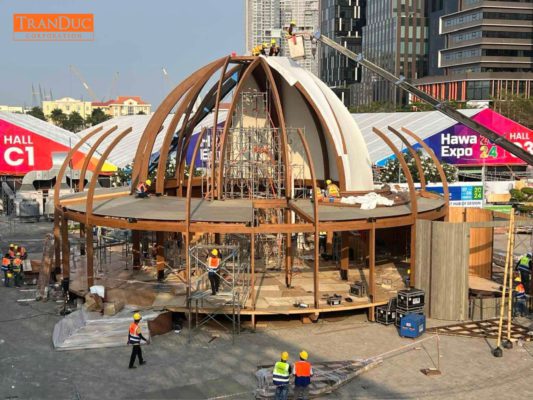
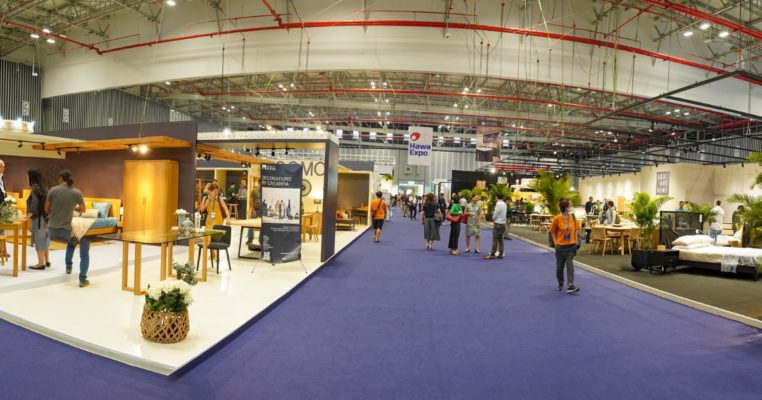
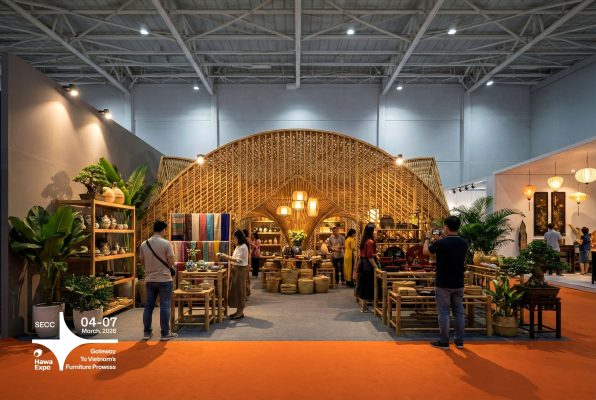
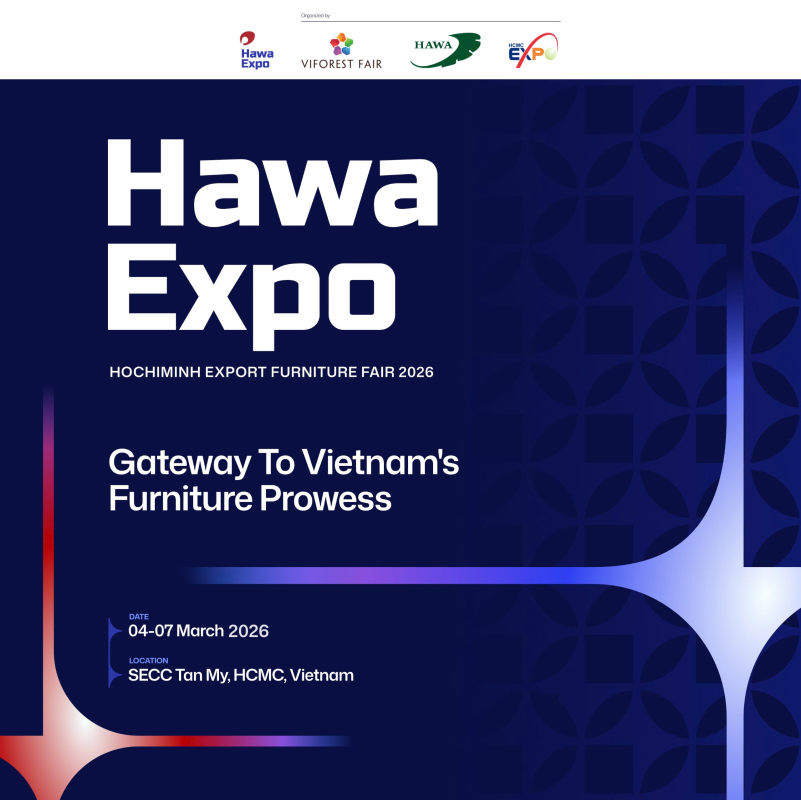
The leadership handover ceremony took place as part of the vibrant activities at HawaExpo 2026, which is being held from March 4 to March 7 at the Saigon Exhibition and Convention Center (SECC). The exhibition features more than 2,500 booths, bringing together furniture manufacturers, buyers, designers, and industry professionals from around the world.
Established in 1987, AFIC is a regional non-profit organization that currently brings together eight furniture industry associations representing ASEAN countries with developed furniture manufacturing sectors. Over nearly four decades of development, the council has played a key role in connecting businesses with policymakers, promoting trade efficiency, and encouraging innovation across the regional furniture industry.
Beyond supporting international trade fairs and export promotion events such as HawaExpo and other regional exhibitions, AFIC has also become a strategic partner to numerous international organizations. Through a wide range of collaborative initiatives, the council continues to support millions of furniture businesses across ASEAN in strengthening competitiveness and advancing sustainable development.
As Vietnam assumes leadership of AFIC for the 2026–2028 term, the new chapter is expected to further strengthen ASEAN’s collective presence in the global furniture market while fostering deeper collaboration and sustainable growth across the region.