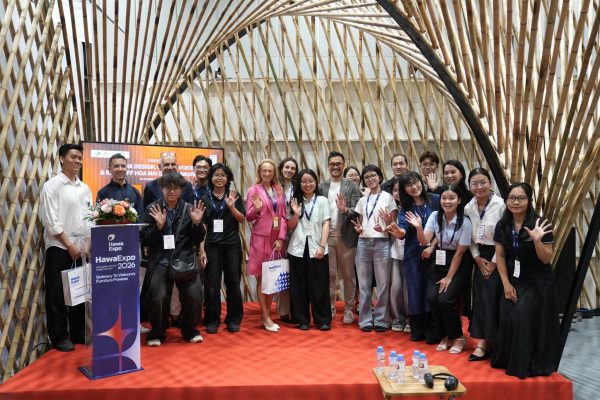
Amid ongoing shifts in the global furniture industry, designers and industry leaders across Southeast Asia are beginning to revisit fundamental questions: what direction should design take in the post-globalization era, and how can the region evolve from being the world’s manufacturing hub into a creative center with a distinct identity? These topics were explored by international and regional speakers during a series of professional discussions held on March 5, 2026 as part of HawaExpo 2026. Representatives from Singapore, Thailand, and Vietnam shared perspectives on the current landscape and future trajectory of Southeast Asian design identity.

Regional design gradually moves beyond European influence
With more than 20 years of experience working across diverse international markets and currently the founder and creative director of Jarrod Lim Design Studio in Singapore, Jarrod Lim noted that for decades, global furniture aesthetics have largely been shaped by European standards. Events such as Milan Design Week have long served as important references for many Asian designers.
Representatives from regional furniture industry councils also pointed out that the long-standing OEM manufacturing model has significantly influenced design styles. Many companies primarily design based on orders from Europe and the United States rather than creating original products aimed at international markets.

However, positive signals are emerging. According to Jarrod Lim:
“Asian countries are becoming increasingly confident in their own identity. More companies are now paying attention to proportions, materials, and the integration of local craftsmanship.” This shift reflects the evolving design capabilities within the region-from interpreting and replicating Western styles toward developing independent design languages.
Three ways Thai designers integrate culture into contemporary design
Representing Thailand, Korakoth Kunalungkarn, President of the Thailand Interior Designers’ Association, shared similar insights.
At the Asia Rising – Design Leading Furniture Forum held within this year’s exhibition, she presented several notable case studies demonstrating diverse approaches to translating cultural identity into interior spaces. Traditional elements are reinterpreted through materials, forms, lines, and modern technologies to create distinctive environments-from hotels and restaurants to large-scale convention centers infused with Thai cultural spirit.

Based on industry observations and professional experience, the TIDA President outlined three key approaches to embedding cultural identity in contemporary interior design:
Original – Traditional cultural elements are used directly in design without modification.
Adapted – Cultural elements are adjusted to better suit modern contexts and functional needs.
Novel – Traditional values serve as inspiration to create entirely new design expressions.
According to her, the third approach is increasingly popular, especially among younger designers, as it allows projects to retain cultural identity while adapting to contemporary contexts and incorporating personal design styles.
“Affirming identity must go hand in hand with responsibility toward the region,” she emphasized.
The first responsibility is to integrate cultural knowledge, local materials, and traditional craftsmanship into design, helping Southeast Asia establish a distinctive position in the global market. The second is ensuring that design projects contribute positively to both the environment and local communities.
“We are not only building for today-we are creating a sustainable legacy for the future.”

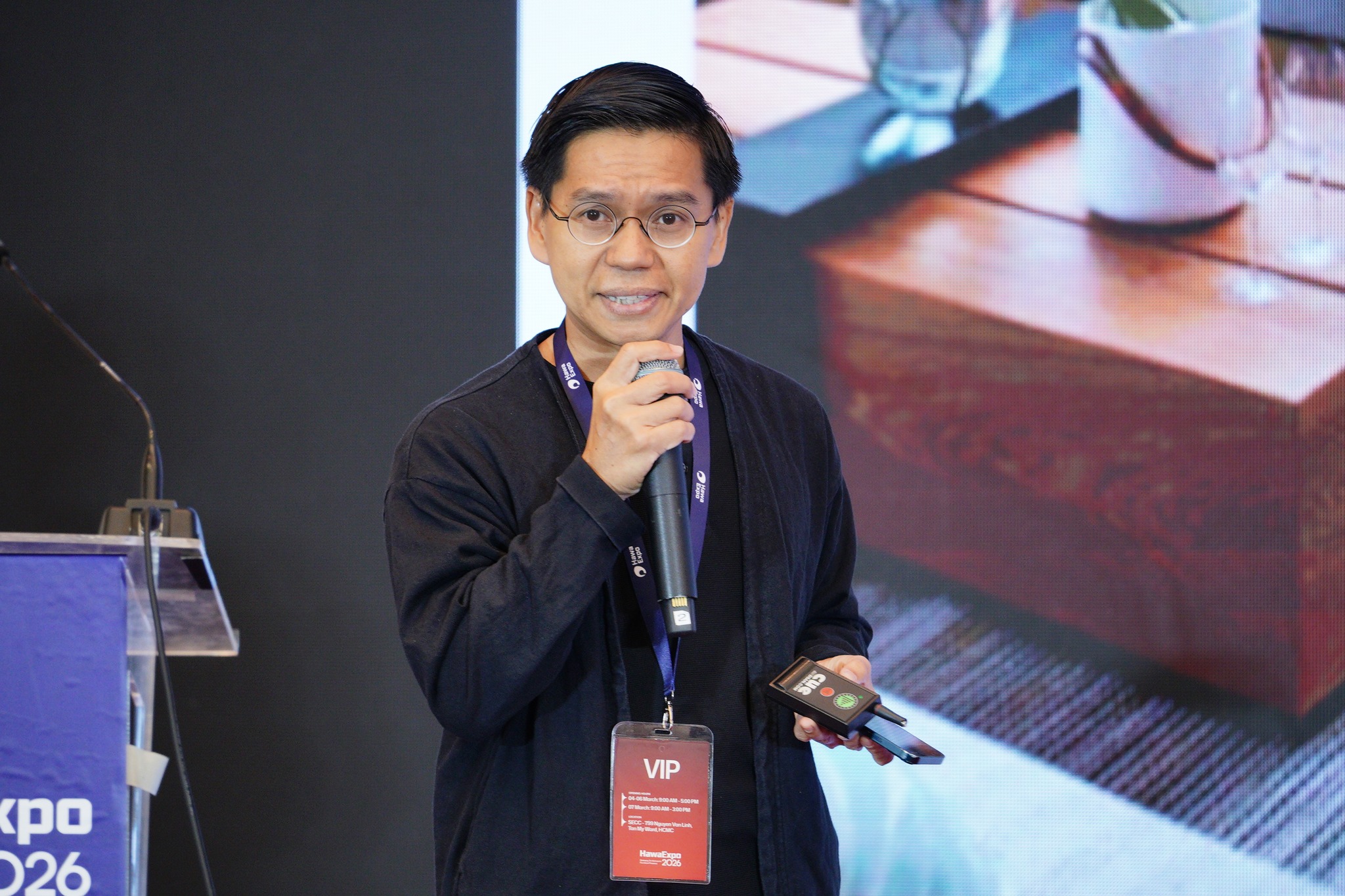
Speaking about the new generation of designers in the region, Vietnamese representative Dang Viet Khoa expressed optimism:
“Today’s young generation-designers as well as material engineers-are talented, creative, and full of ideas. With both national pride and strong international integration, they are ready to lead the market and bring cultural identity deeper into interior design.”
The convergence of manufacturing capability, design innovation, and cultural identity is opening a new path for Southeast Asia. The region holds several advantages: a large-scale furniture manufacturing system, abundant natural materials, a rapidly growing community of young designers, and strong growth in the tourism and hospitality sectors.
If these strengths are strategically optimized with support from governments and industry associations, Southeast Asia could confidently transition from being the world’s manufacturing base to becoming a new global center for design innovation. This transformation represents not only the evolution of the furniture industry but also a broader repositioning of the region within the global value chain.
Celebrating 21 years of the Hoa Mai Design Award and announcing the 22nd edition theme
Closing the second day under the theme Design & Trend, the official launch of the Hoa Mai Design Award – 22nd edition was announced, continuing more than two decades of nurturing and connecting generations of Vietnamese interior designers.
Founded by the Handicraft and Wood Industry Association of Ho Chi Minh City with the support of the American Hardwood Export Council, the award has received more than 9,992 entries from over 9,000 contestants, resulting in 457 realized products and participation from more than 30 universities and 85 industry companies.
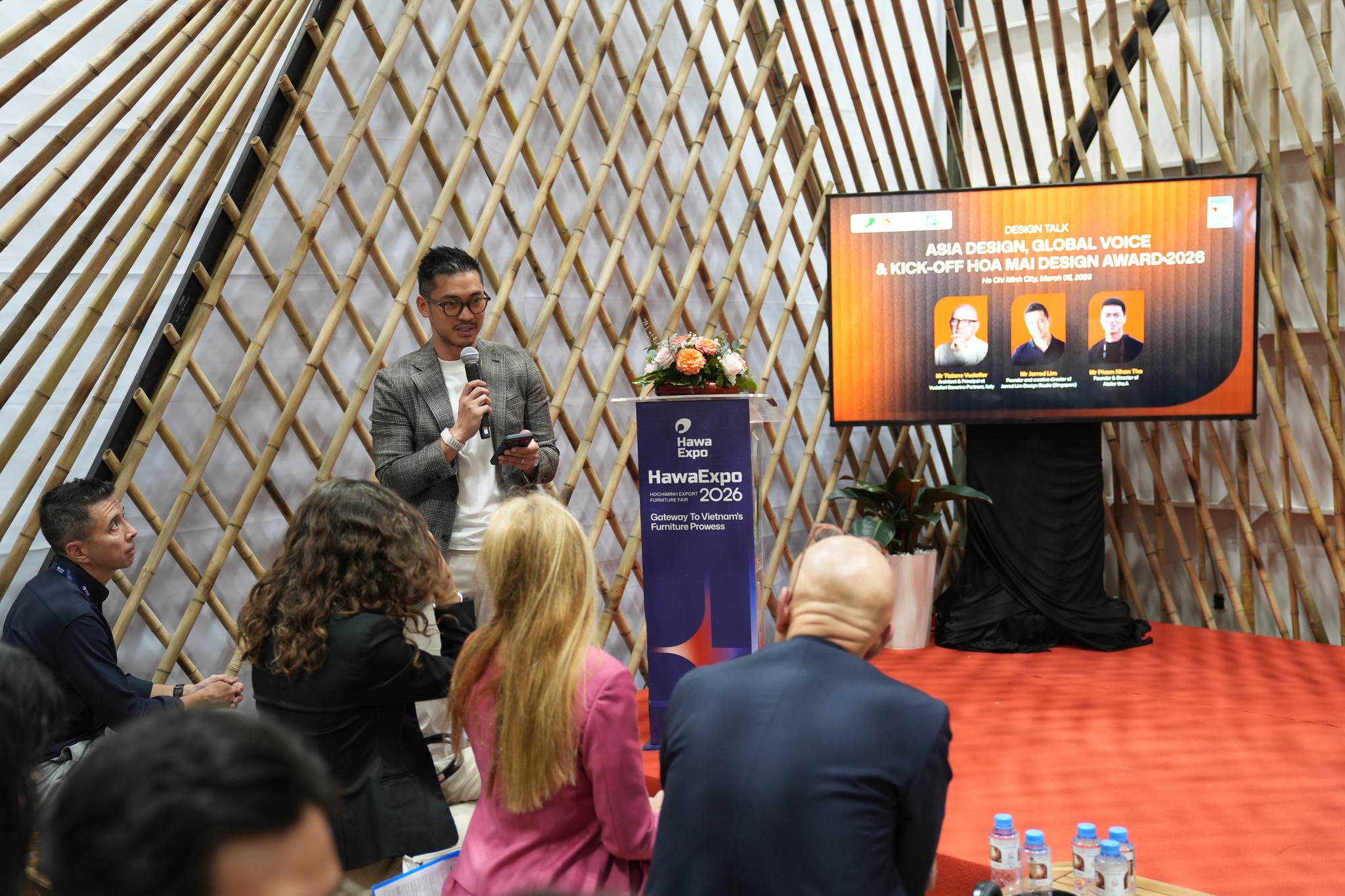
Over its two-decade journey, the award has evolved through four development stages:
-
2002–2010: A creative platform nurturing design talent among students
-
2011–2016: Expansion of international collaboration
-
2017–2019: Professionalization of the design–manufacturing ecosystem
-
Since 2024: A new phase focused on commercialization
Entering the 2026 season, the competition introduces the theme “Design in the Age of AI”, inspired by the familiar CAPTCHA question: “Prove that you are human.”
Through this theme, the organizers present a new challenge and message to the design community: while artificial intelligence can generate forms and shapes, only humans can define the cultural value and identity of a product.
The 2026 competition is expected to run from March to September 2026, featuring two categories: Open Award and Grand Award, expanding opportunities for young designers, professional studios, companies, and architects to participate.
These activities reflect the vision of the HawaExpo organizing committee in building a multidimensional platform for Vietnam’s wood and furniture industry—spanning trade promotion, green transformation, and design innovation.
Many buyers have highly praised the exhibition’s quality compared with other events taking place in March. In particular, the strong presence of Made-in-Vietnam enterprises and the high aesthetic standards showcased through diverse and impressive designs have effectively met the expectations of international visitors coming to Vietnam.