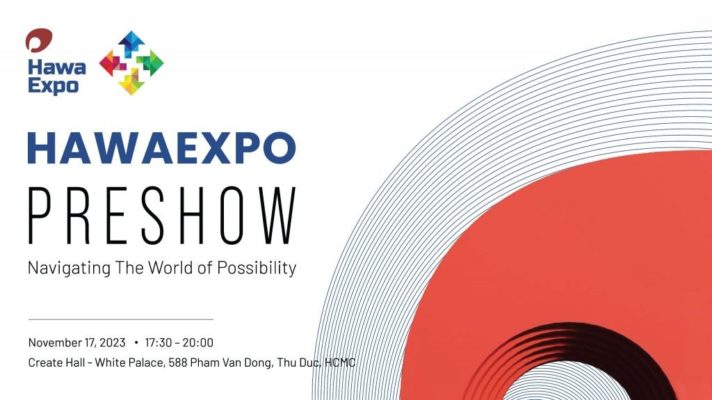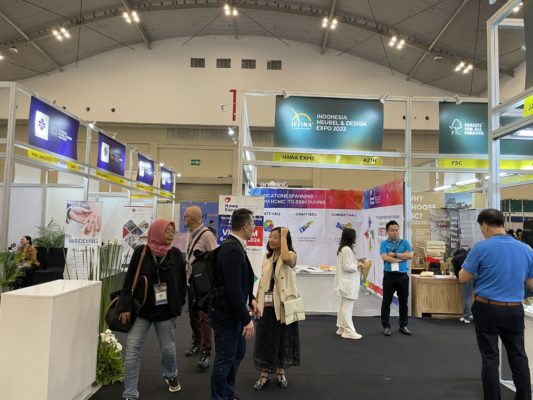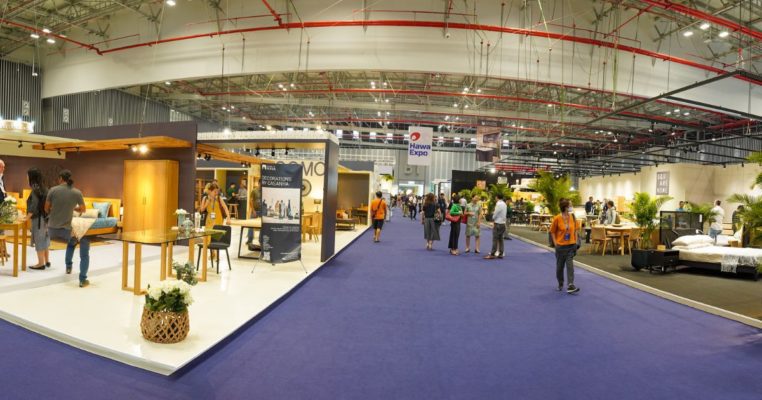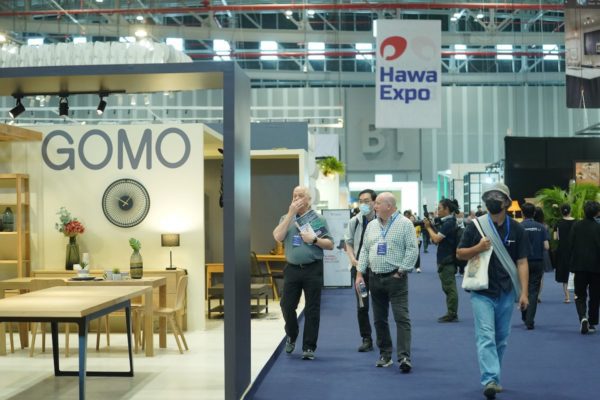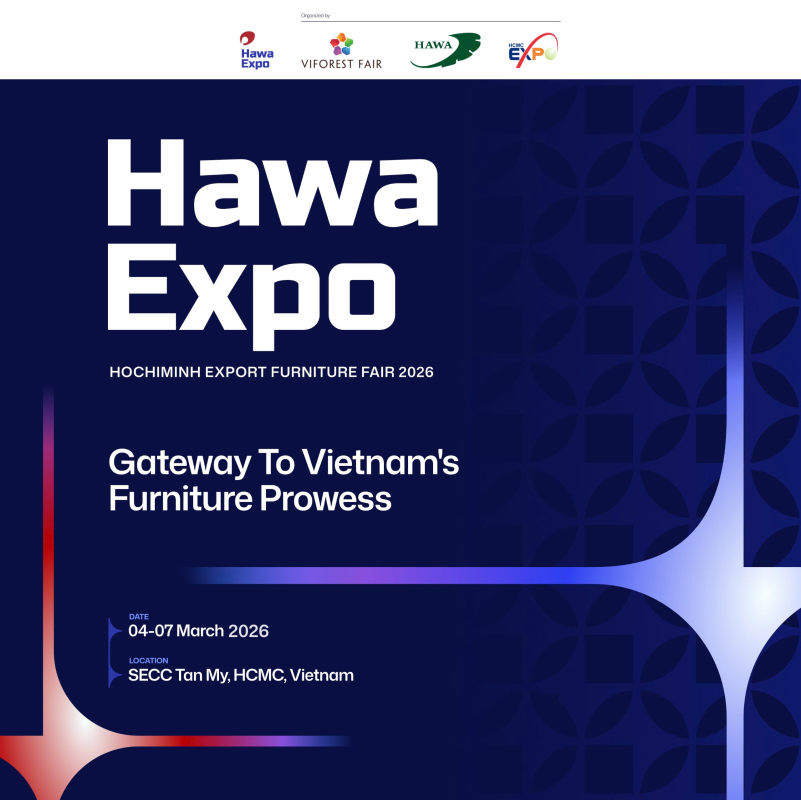
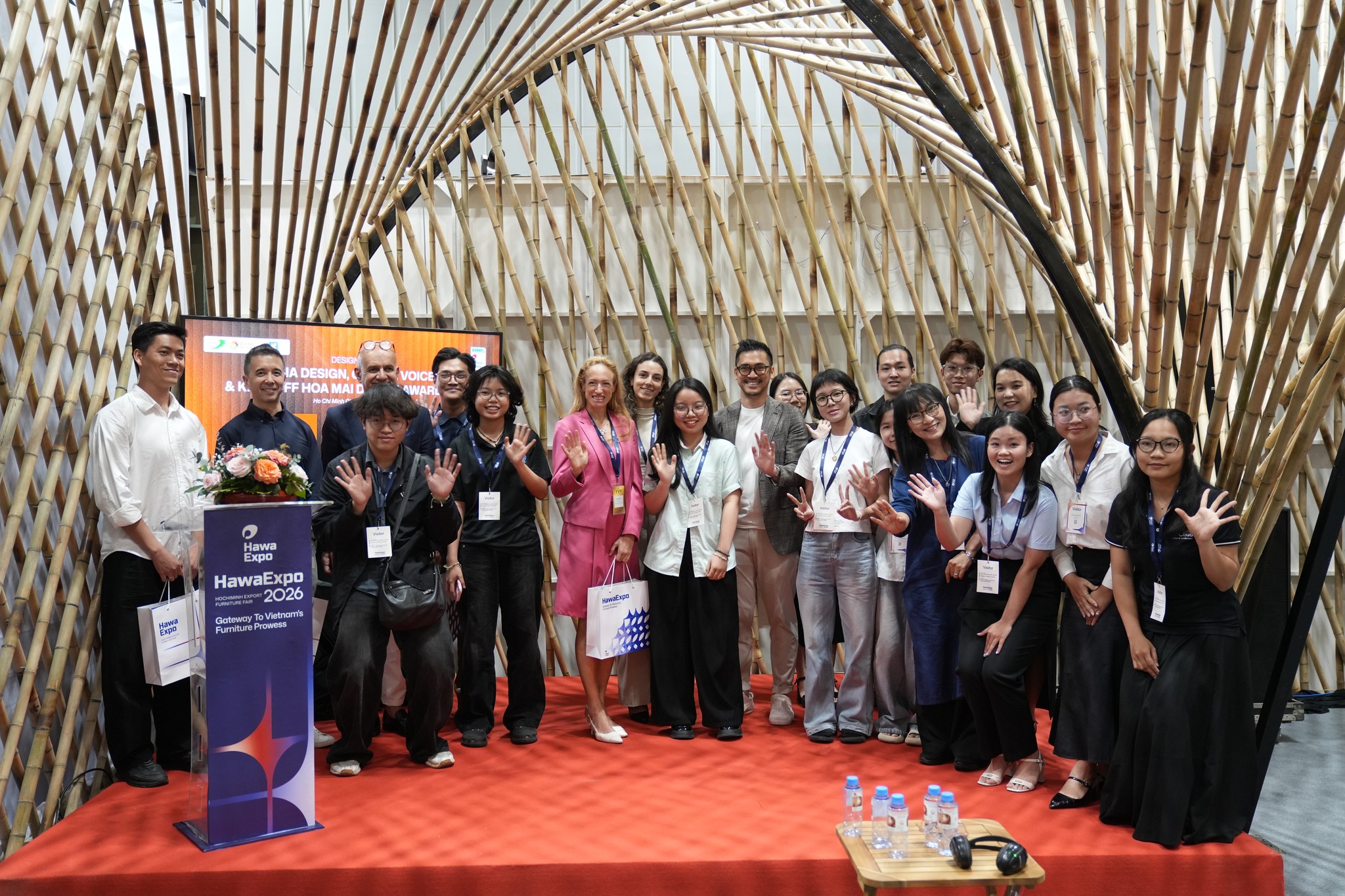
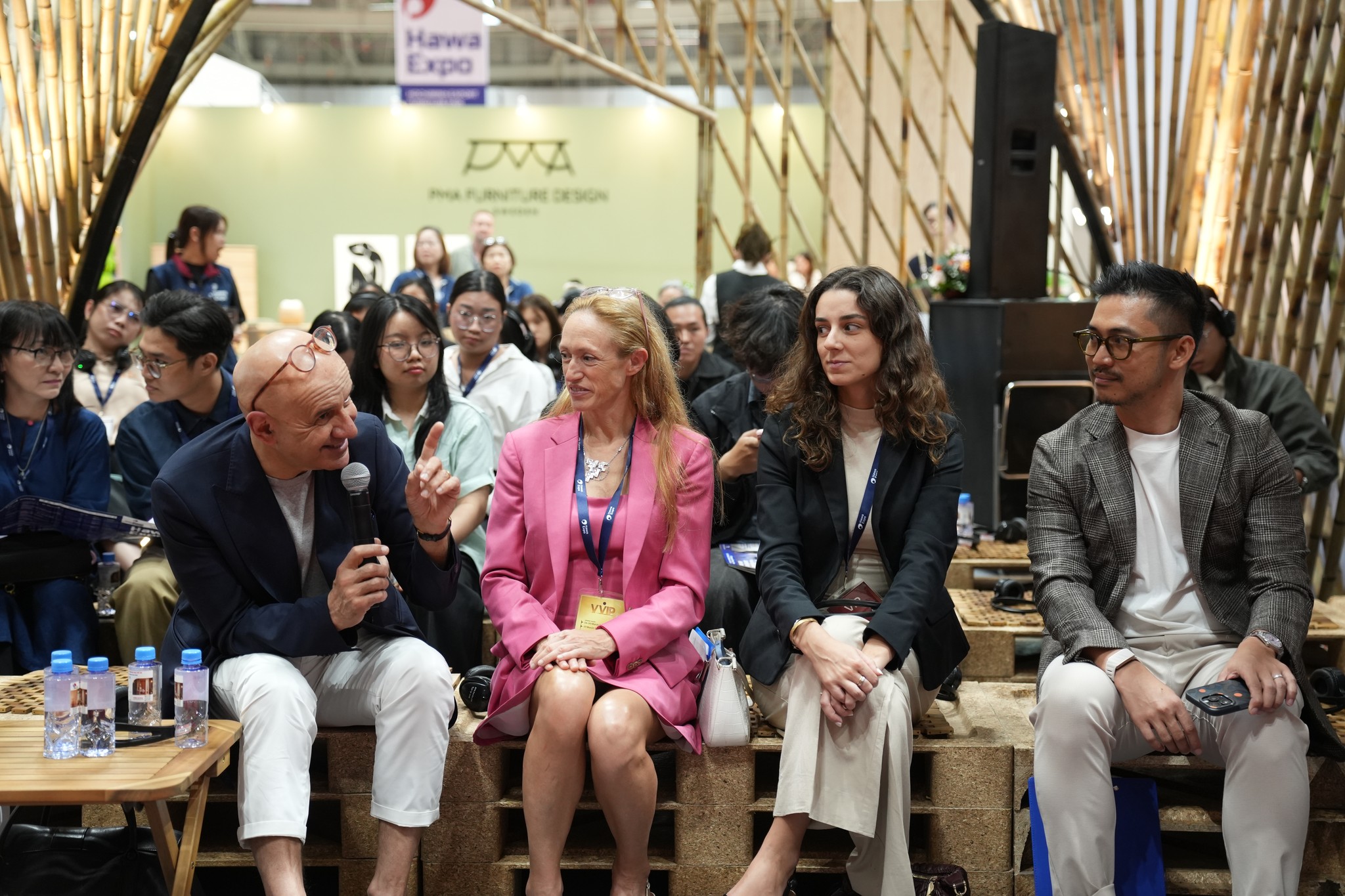
In alignment with the strategic direction of the Ministry of Agriculture and Environment of Vietnam and guidance from the Ho Chi Minh City People’s Committee, the organizers of HawaExpo 2026 designated the second day of the exhibition under the theme Design & Trends. As part of this program, the Furniture Forum titled “Asia Rising – Design Leading” provided in-depth insights into the evolving capabilities and design trends shaping the regional interior design landscape.
Design trends in a new context: cautious innovation
Recent years have been widely described as a particularly volatile period for the global market, marked by geopolitical uncertainties that have reshaped business strategies across industries. “Many companies I work with say the same thing: let’s wait and see. They’re not sure whether it’s the right time to invest in new products,” shared Jarrod Lim, founder and creative director of Jarrod Lim Design Studio in Singapore.
Born in Australia and having worked in Italy and London before establishing his studio in Singapore, Lim currently collaborates with factories and brands in Indonesia, China, and the United States. His global experience offers a broad perspective on the international furniture supply chain-from factories producing affordable furniture for IKEA to premium European brands.

From a professional standpoint, Lim observes that many companies have adopted a cautious approach due to market fluctuations since the pandemic.
During 2020–2021, furniture demand in the United States surged as consumers spent more time at home. Retailers imported large quantities of inventory, which later resulted in prolonged stock surpluses. As a consequence, export orders declined across several manufacturing hubs, while market demand became increasingly unpredictable.
Instead of developing entirely new designs, many brands are now adopting what Lim calls “safe innovation.” Previously successful products are being refined with modest adjustments such as new materials, structural improvements, or enhanced sustainability features.
One example he shared was a sofa he originally designed more than 20 years ago, which was recently reissued by an Italian brand at Milan Design Week as a commemorative edition. The product remains largely unchanged, with only minor updates to materials and construction.
Warm, “lived-in” interiors and the growing preference for wood
At the same time, consumer aesthetic preferences are also shifting significantly. According to Jarrod Lim, one of the most notable trends in contemporary interior design is the transition from minimalist, industrial-style spaces toward environments that feel warmer, more emotional, and more human.
“We are moving away from purely minimalist interiors toward spaces that feel as though they have already been lived in.” This shift is driven by two key factors: the psychological impact of the pandemic and the human response to an increasingly digital world. As much of work and communication now takes place online, people are seeking more tangible physical experiences and deeper connections within their living spaces.

As a result, natural materials, tactile surfaces, handcrafted details, softer forms, and nostalgic design elements are becoming increasingly popular.
Wood, in particular, is gaining renewed attention. “Wood brings warmth, natural texture, and durability over time. It communicates quality and luxury in a way that plastic, glass, or metal often cannot,” Lim emphasized.
For Southeast Asia-a region with a long tradition of wood manufacturing, this represents a significant competitive advantage in the evolving design landscape.
Growing demand for hospitality design projects in Vietnam
From the perspective of Vietnam’s domestic market, Dang Viet Khoa, CEO of KAZE Interior Design Studio, noted that the hospitality industry has become a major driving force behind the development of interior design in Vietnam.
With nearly 20 years of experience in hospitality projects, he explained that the steady growth of tourism has significantly increased demand for hotel development, which in turn fuels the need for architectural and interior design services. Between 2015 and 2020, the rapid growth in tourist arrivals led to a sharp expansion in hotel room supply across Vietnam. This development has also transformed the structure of the hospitality market.

Previously, most hotels in Vietnam were independent projects developed by local businesses rather than international chains. However, in recent years the proportion of hotels affiliated with international or well-known domestic brands has increased rapidly, now accounting for approximately 40% of the total supply.
To meet the standards required by these brand-driven projects, design firms must adopt a more comprehensive and professional approach.
“A talented designer alone is not enough to deliver a high-quality hospitality project. You need a complete professional ecosystem—including contractors, suppliers, engineers, consultants, and project managers,” he noted.
According to Dang Viet Khoa, the emergence of such an ecosystem is a key factor enabling Vietnam’s design industry to move closer to international standards.