Vietnam Trade Office in South Korea, report published 11 March 2026
South Korea wood pellets imports stood at about 3.91 million tonnes in 2025, worth about USD 566 million, according to the Vietnam Trade Office in South Korea (2026). Vietnam remains a major pellet source, but RPS/REC subsidy changes and stricter vendor scoring mean Korean buyers now reward low-risk, data-backed suppliers over the lowest price.
| Indicator | Figure |
|---|---|
| Data period | Calendar year 2025, scenarios for 2026-2028 (report dated 11 March 2026) |
| South Korea wood pellet market, 2025 | About 3.91 million tonnes, about USD 566 million |
| Policy driver | RPS/REC biomass subsidy scheme |
| Weight of quality in vendor scoring | 35% |
| Weight of price in vendor scoring | 15% |
| Target on-time in-full (OTIF) delivery | From about 92% to 97% |
| Sources | Vietnam Trade Office in South Korea (2026) |
Key figures: South Korea wood pellet market, 2025 (Vietnam Trade Office in South Korea, 2026)
South Korea imported about 3.91 million tonnes of wood pellets in 2025
South Korea’s wood pellet market reached about 3.91 million tonnes in 2025, worth about USD 566 million, according to the Vietnam Trade Office in South Korea (2026). Since 2025, some large power and private energy companies have cut or stopped imported pellets, switching to domestic biomass or other sources under changes to the RPS/REC subsidy scheme.
The report sets out three scenarios for 2026-2028: strong tightening, controlled tightening, or slow stability. In all three, Korean buyers raise requirements on ESG, certificates of analysis, traceability and delivery capacity, so demand does not disappear but splits sharply between qualified and unqualified vendors.
- Raw material control: the main bottleneck for Vietnamese suppliers is input control, not pelletising capacity.
- Lot quality: contamination, mould, ash or fines above specification, smouldering fires and vessel delays can wipe out a price advantage.
- Gaps: lot traceability, quality control, independent testing and backup logistics are still fragmented in Vietnam.
Korean pellet buyers score vendors on quality 35% and price only 15%
Korean industrial pellet buyers score vendors in five groups: quality 35%, delivery 20%, document compliance 20%, price and price structure 15%, and operations management 10%, according to the Vietnam Trade Office in South Korea (2026). The report describes the shift as a move from selling volume to selling reliability.
| Scoring criterion | Weight |
|---|---|
| Quality | 35% |
| Delivery | 20% |
| Document compliance | 20% |
| Price and price structure | 15% |
| Operations management | 10% |
How Korean buyers score wood pellet vendors (Vietnam Trade Office in South Korea, 2026)
The import system has three layers. At the core are power generators with strict technical needs, such as KOEN and KOSPO, which buy through tenders. Trading houses form the second layer, optimising logistics and coordinating supply. Intermediaries form the third layer, helping with disputes, ports and disruption. Other major buyers named include SGC Energy, Hanwha Energy and OCI SE.
Five supply chain targets for pellet suppliers to South Korea
The Vietnam Trade Office in South Korea (2026) recommends that Vietnamese suppliers move from one-off lot sales to a data-based vendor model. Over the first 6-9 months, five pillars apply: standard raw material, standard certificates of analysis, an independent testing lab, a logistics buffer, and complete compliance and contract files, followed by lot-level MRV data.
| Indicator | Current level | Target |
|---|---|---|
| First-time lot pass rate | About 75% | 90% |
| Dispute rate | 12% | 5% |
| On-time in-full delivery (OTIF) | About 92% | 97% |
| 12-month repeat contract rate | 35% | 60% |
| Quality discount | About 3.0% | 1.5% |
Readiness targets for pellet suppliers to South Korea (Vietnam Trade Office in South Korea, 2026)
Buyers expect lot codes and production dates, by-product sources, ash, fines and moisture data, independent lab certificates, vessel and logistics data, chain of custody files and delivery history. Monthly OTIF reports, inventory buffers and a corrective and preventive action (CAPA) process are also requested before technical approval.
South Korea wood pellets: reliable supply partners for 2027
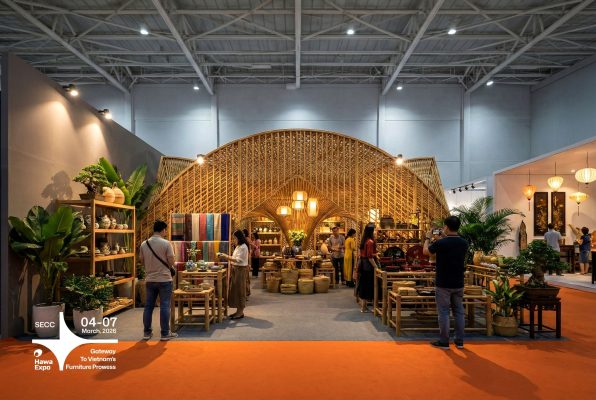
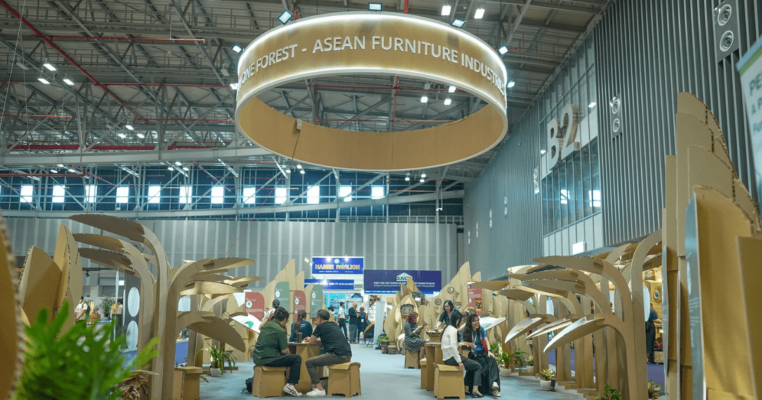
South Korea wood pellets demand of about 3.91 million tonnes in 2025 now favours suppliers who can show lot data, stable quality and on-time delivery, more than the lowest price. Korean energy buyers and trading houses can meet Vietnamese wood pellet and wood product suppliers at HawaExpo 2027, held 3-6 March 2027 at SECC, Ho Chi Minh City. Register to visit, or apply for the VIP Buyer Program; the organizer verifies each application before confirming benefits.
Key questions buyers ask about pellet supply to South Korea in 2025
The answers below come from the market report of the Vietnam Trade Office in South Korea (2026), published on 11 March 2026.
How large is the South Korean wood pellet market?
The South Korean wood pellet market reached about 3.91 million tonnes in 2025, worth about USD 566 million, according to the Vietnam Trade Office in South Korea (2026). Vietnam remains a major supplier, but changes to the RPS/REC subsidy scheme since 2025 have led some generators to cut imports.
How do Korean buyers evaluate pellet suppliers?
Korean buyers score pellet vendors on quality 35%, delivery 20%, document compliance 20%, price and price structure 15% and operations management 10%, according to the Vietnam Trade Office in South Korea (2026). Pass rate, OTIF, dispute rate and incident handling weigh more than the FOB price.
Who are the main wood pellet buyers in South Korea?
State power generators KOEN and KOSPO sit at the core of demand and buy through tenders, according to the Vietnam Trade Office in South Korea (2026). Private and energy groups SGC Energy, Hanwha Energy and OCI SE are also named, with trading houses and intermediaries supporting logistics and disputes.
What documents do Korean pellet buyers require?
Korean buyers expect a certificate of analysis for each lot, lot codes and production dates, raw material sources, ash, fines and moisture data, independent lab reports, chain of custody files and delivery history, according to the Vietnam Trade Office in South Korea (2026). Monthly OTIF data and a CAPA process are also requested.
References
Vietnam Trade Office in South Korea. (2026, March 11). Gỗ và Viên nén gỗ [Wood and wood pellets]. Foreign Market Information Portal, Ministry of Industry and Trade of Vietnam. https://thitruongnuocngoai.moit.gov.vn/nganh-hang/ec77b9bb-fc34-421f-a640-17ef2ea040e0
Note. All sources are in Vietnamese; titles in square brackets and figures translated into English by HawaExpo.
Register for visit

HAWAEXPO 2027 - GATEWAY TO VIETNAM'S FURNITURE PROWESS
- March 3 - 6, 2027
- SECC - Saigon Exhibition and Convention Center, 799 Nguyen Van Linh, Tan My Ward, Ho Chi Minh City, Vietnam
Hotline: +84 987 980 859 | info@hawaexpo.com
Website: www.hawaexpo.com
Follow fanpage for the latest news: https://www.facebook.com/hawaexpo