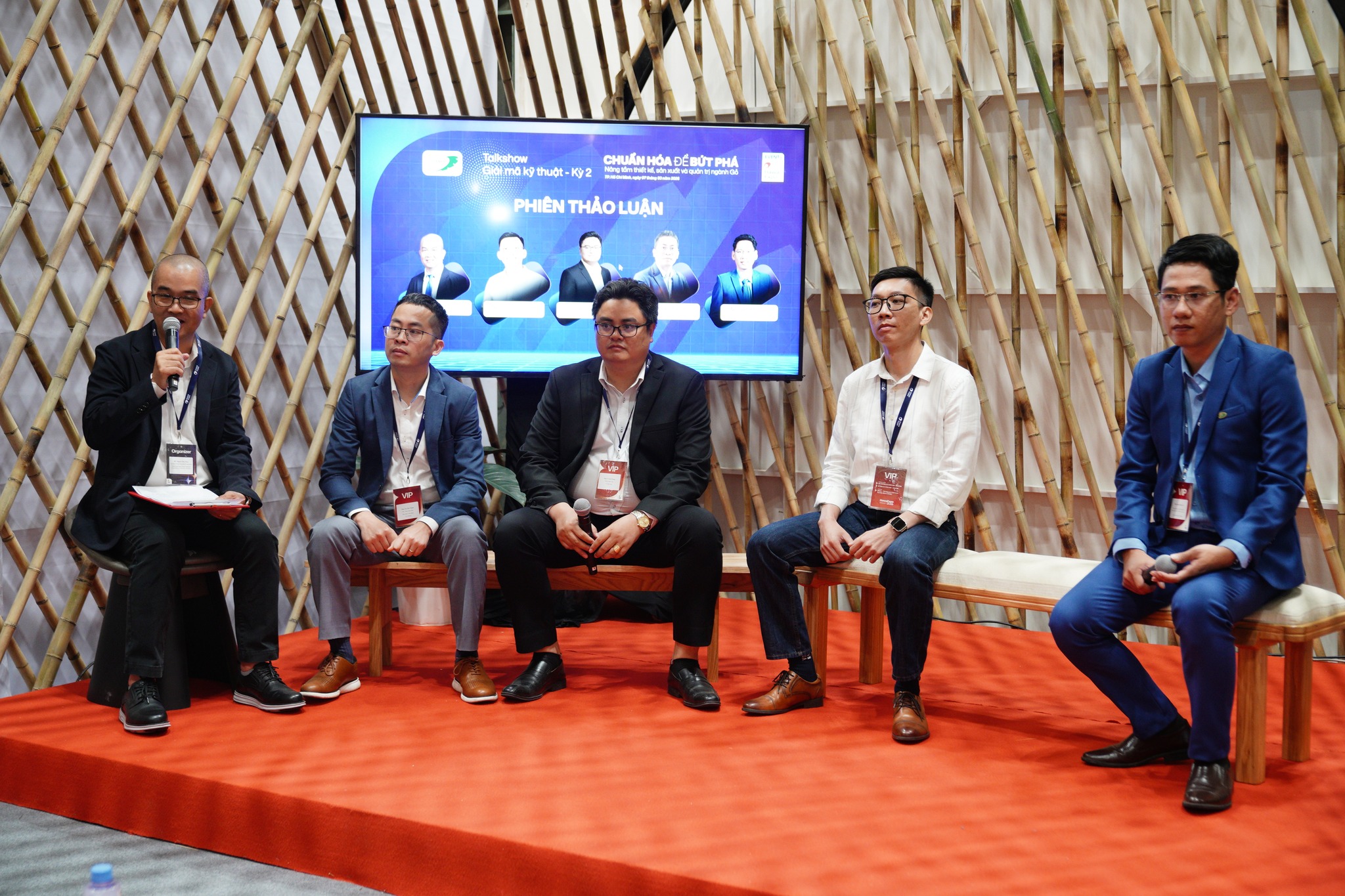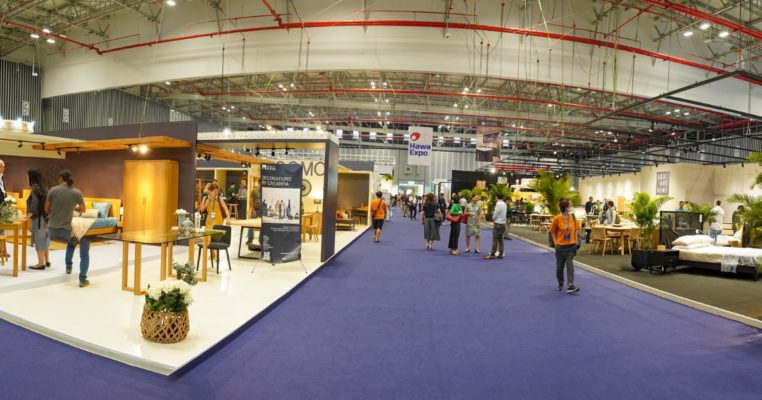
As part of HawaExpo 2026, the talkshow titled “Decoding Technical Standards for Breakthrough: Elevating Design, Production, and Management in the Wood Industry” brought together technology and management experts to help Vietnamese wood enterprises unlock practical pathways toward standardization and digital transformation. The discussions went beyond technological solutions, addressing key challenges related to management, human resources, and strategic planning-factors essential for improving efficiency across design, manufacturing, and corporate governance.
Presentations at the event revolved around three major themes:
-
applying integrated design ecosystems to standardize technical data,
-
selecting and implementing enterprise resource planning (ERP) systems,
-
and digitizing production processes through MES systems and design libraries.
Alongside expert presentations, the panel discussion offered a range of practical recommendations and solutions for industry businesses.
Choosing the right ERP strategy to avoid a “tight-fitting system”
One of the most widely discussed topics during the program was the selection of an Enterprise Resource Planning (ERP) system.
According to Le Xuan Phong, CEO of FTI Saigon, businesses typically face two main options: developing a customized ERP system tailored to their specific needs or adopting internationally standardized solutions. Building an in-house ERP system may offer the advantage of quickly accommodating existing operational processes. However, over time, as workflows evolve or companies expand, internally developed systems can become difficult to maintain and may struggle to meet new requirements.

In contrast, internationally standardized ERP platforms such as SAP and Epicor already incorporate widely recognized management frameworks. Although companies may need to adjust internal processes to align with these systems, they benefit from regular software upgrades and avoid the need to rebuild systems in the future.
Phong emphasized that ERP implementation affects the entire organization-from procurement, sales, and accounting to manufacturing. Strong leadership commitment is therefore essential to ensure successful implementation. Once fully operational, ERP systems enable management teams to access real-time data and performance reports, supporting more informed strategic decision-making.
To illustrate the concept, Nguyen Duy Toan, Executive Committee Member of Handicraft and Wood Industry Association of Ho Chi Minh City and Deputy General Director of Hong Ky Co., Ltd., compared custom ERP development to tailoring a suit.
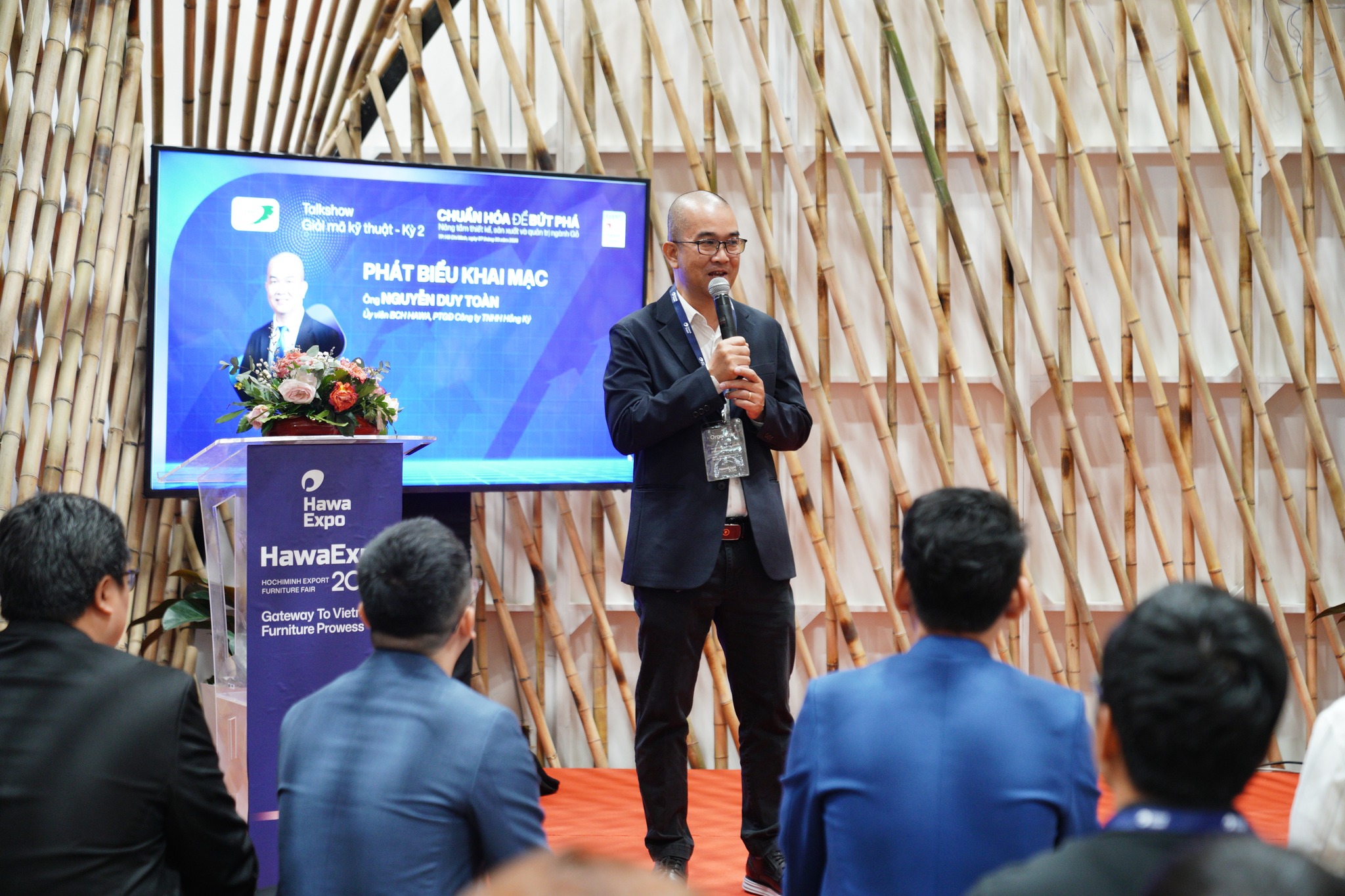
“Building your own system is like tailoring a suit that fits perfectly today. But as the company grows, that suit may become too tight. At that point, you may have to tear it down and start over with a new one,” he explained.
Digitizing factory operations with MES and design libraries
In terms of factory digitalization, the Manufacturing Execution System (MES) was introduced as a real-time production management tool capable of digitizing each stage of the manufacturing process.
Chu Tien Thanh from FTI Global explained that companies can implement MES independently, without necessarily deploying an ERP system beforehand. MES functions as a transparent operational bridge, enabling management teams to monitor production progress, output levels, and product quality in real time, even when they are not physically present at the factory.

The system is particularly valuable for traceability and accountability, allowing businesses to identify issues at specific production lines or batches when problems occur.
While MES does not provide detailed cost accounting capabilities like ERP systems, it delivers a highly accurate operational overview at the factory level. By replacing manual reporting processes that are prone to errors, MES can significantly improve productivity and operational transparency.
Removing bottlenecks in technical departments with Autodesk and design libraries
According to experts at the event, technical departments often become a bottleneck that slows down quotation processes and production implementation.
In his presentation, Nguyen Cong Vu Hao demonstrated how the Autodesk ecosystem can help companies establish a seamless workflow from design to manufacturing. Through integrated design tools and technical data management systems, many tasks traditionally performed manually can now be automated. From a 3D model, companies can quickly extract technical information, connect directly with production workflows, and efficiently manage design modifications.

This approach helps standardize design data, reduce reliance on individual experience, and create a scalable foundation for expanding production capacity in the future.
From a technical standardization perspective, Nguyen Khac Vu from Auto Furniture introduced a solution for developing a wood furniture structural library, built from practical experience within technical departments across the industry.
This library will be shared freely with the technical community, allowing businesses to reference and further develop the system.
According to Vu, applying such design libraries can increase design productivity by up to 30% while ensuring consistency and accuracy when transferring design data to manufacturing processes.
He also noted that in the future, artificial intelligence (AI) could help automatically recommend appropriate structural solutions and integrate them directly into 3D models, significantly shortening product development timelines.
Key factors for successful digital transformation
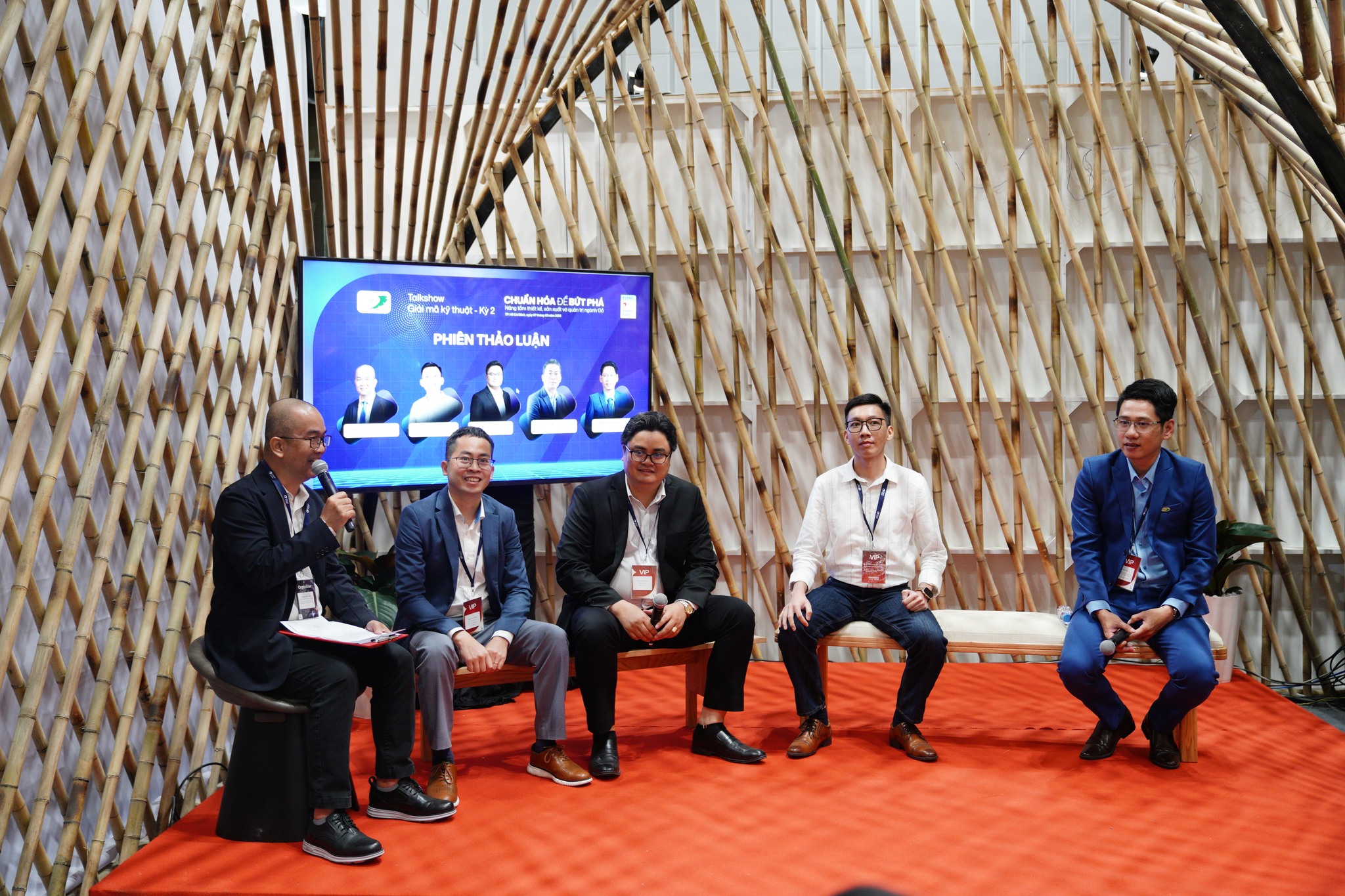
During the final panel discussion, moderated by Nguyen Duy Toan, experts highlighted several critical factors determining the success of digital transformation in wood industry enterprises.

First and foremost is leadership commitment, as digital transformation should be treated not merely as a technology project but as a long-term strategic initiative.
Secondly, companies must carefully select technology solutions and implementation partners that align with the specific characteristics of the wood industry.
Another important factor is internal team capability, particularly the role of digital transformation project managers who serve as connectors between different departments.
Finally, change management is crucial, as digital transformation often involves adjustments to established working habits and organizational power structures.
Through the insights shared by experts and industry representatives at HawaExpo 2026, the roadmap for digital transformation in the wood industry—from design and production to management-has become clearer and more practical for the business community.